
How to Choose a Submersible Pond Pump Correctly
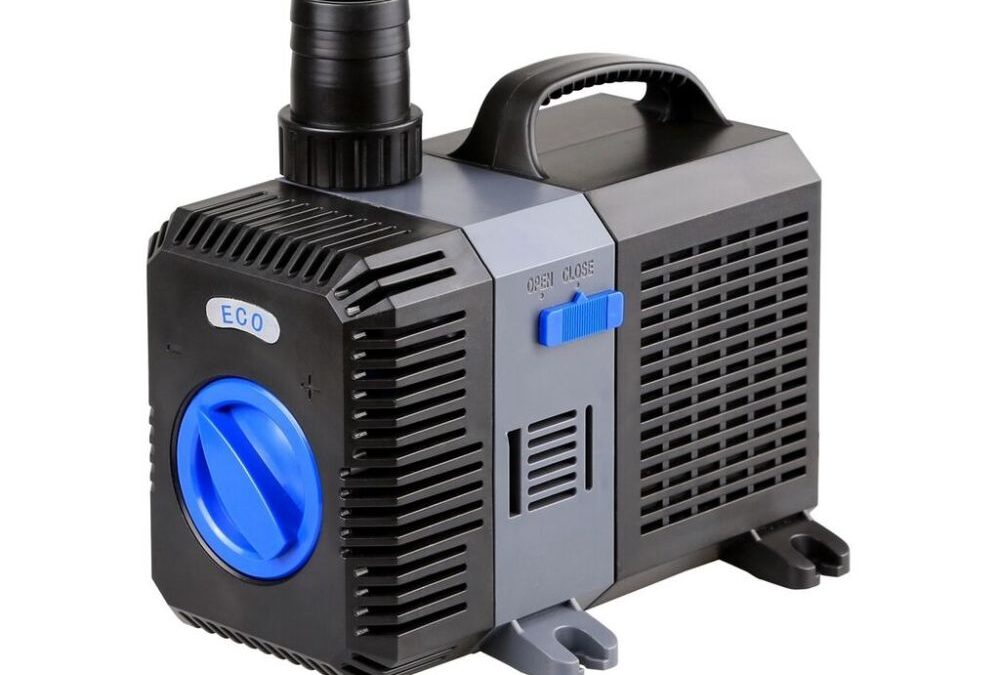
Choosing the right submersible pond pump is one of the most important decisions you will make when building or maintaining a pond. Correct submersible pond pump selection can save you money, reduce electricity costs, and prevent endless frustration caused by poor water circulation or inadequate flow. Selecting the wrong pump often leads to insufficient filtration, unhealthy fish, and disappointing waterfalls.
Before buying any pump, it is essential to understand how your pond operates and what the pump will be used for.
How to Choose a Submersible Pond Pump for Your Application
Pumps used in fish ponds must run 24 hours a day, 7 days a week. Continuous circulation and aeration are critical for fish health and water quality. Fountain pumps, on the other hand, are usually installed in cleaner water and can be switched on and off as needed.
There are generally two main applications:
1. Fountain Pumps
Fountain pumps are designed for relatively clean water and light-duty operation. While they can run continuously, they are typically operated intermittently for visual effect. These pumps are not designed to handle solids such as fish waste or leaves.
Important note: By law, all outdoor pumps must be supplied with a 10-metre power cable. Pumps with shorter cables are intended for indoor use only.
2. Fish Pond Pumps
Fish pond pumps must operate continuously and be capable of handling solids such as fish waste, algae, and debris. These pumps are divided into two categories:
-
Volume Pumps – Move large amounts of water at low pressure. Ideal for biological filtration and general circulation.
-
Pressure Pumps – Designed to push water through pressure filters or to higher elevations.
A swimming pool pump is an example of a pressure pump and is required where water must be pumped to significant heights or through restrictive filtration systems.
Why Low-Energy Pond Pumps Are the Best Choice
Low-energy pond pumps can use up to 50% less electricity while still delivering the same water flow. Hailea low-energy pumps are an excellent example of efficient, reliable pond pumps and should always be your first choice when selecting a pump for a fish pond.
Energy efficiency becomes especially important because pond pumps run continuously.
How to Correctly Size a Submersible Pond Pump
Choosing the correct pump size is vital. To do this accurately, you need to determine two key factors:
1. Pump Head Height
Measure the vertical height from the pond’s water surface to the highest point where the water exits (such as the top of a waterfall).
-
Do not measure from the bottom of the pond
-
Measure in centimeters
Once measured, add 20% to account for head losses caused by pipe friction and bends.
For example:
-
Measured height: 1 meter
-
Add 20% (20 cm)
-
Final pump head: 1.2 meters
This final figure is what you will use when selecting your pump.
2. Water Flow Required for a Waterfall
If your system includes a waterfall, the required flow rate depends on the width of the waterfall overflow.
-
If the stream splits into multiple smaller overflows, add all widths together
-
Use the combined width (in inches) to determine the flow rate required
A wider waterfall requires a higher flow rate to achieve a strong, visually appealing cascade.
Choosing a Pump Without a Waterfall
If your pond does not include a waterfall, pump selection becomes much simpler. In this case, the pump’s primary role is to circulate water through the filtration system, ensuring clean, healthy water for your fish.