
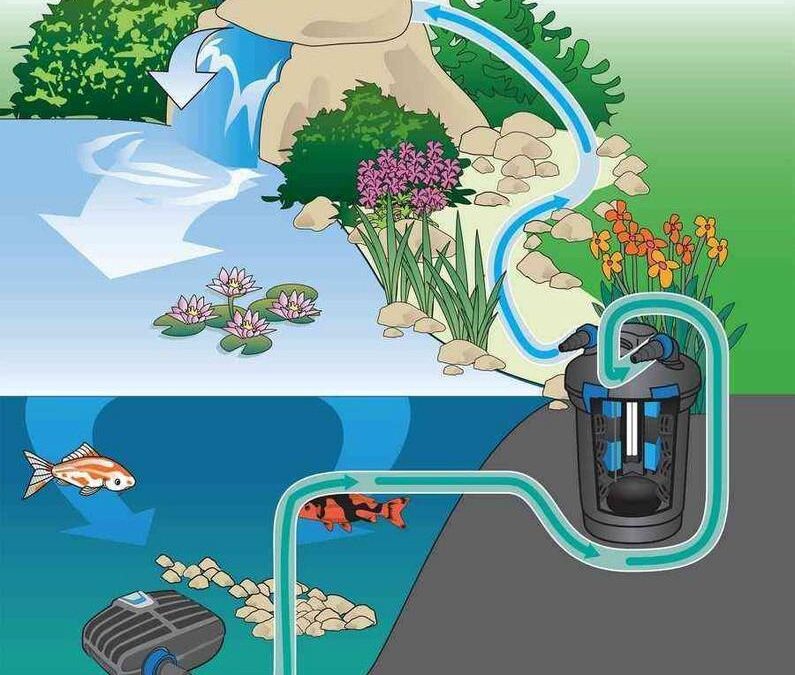
Pond Pump Flow: How to Choose the Right Pump and Save Money
Selecting the correct pond pump flow is one of the most important decisions when designing a garden pond. Pump flow determines how much water moves through your system and directly affects the appearance of waterfalls, fountains, and the efficiency of your filtration. Too little flow will result in a weak, disappointing waterfall, while too much flow wastes electricity, increases noise, and costs you unnecessary money.
Understanding Pond Pump Flow and Pump Head
Pond pump flow refers to the volume of water a pump moves per hour, while pump head refers to the height and resistance the pump must overcome. Both factors must be considered together to correctly size a pump. A pump that performs well at ground level may deliver far less water once pipe length, bends, and height are added.
Be cautious when reading pump specifications on packaging. Many pumps advertise a “maximum flow rate,” but this figure only applies when no pipe or resistance is attached. In real pond conditions, actual flow will be significantly lower. Reliable pump suppliers provide flow rates at different head heights, which is far more useful information.
Matching Pump Flow to Your Pond System
The correct pump choice depends on what you want the pump to do. Waterfalls require the most careful calculation, as they need enough flow to create the desired visual effect. Filtration systems also require sufficient circulation to function effectively.
Using ribbed pond hose is recommended, as it allows for curves and bends without restricting water flow. For ponds with waterfalls, running two separate pumps—one dedicated to filtration and one to the waterfall—can significantly reduce energy costs and improve system efficiency.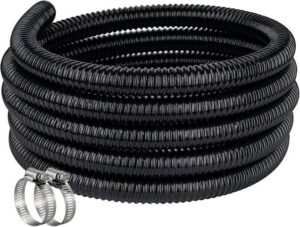
Choosing the Right Pump Function
Pond pumps generally serve one of three purposes: powering a waterfall, operating a fountain, or circulating water through a filter. Each function requires a different flow rate. Understanding your pond’s needs ensures optimal performance, lower running costs, and a pond you can enjoy year-round.