
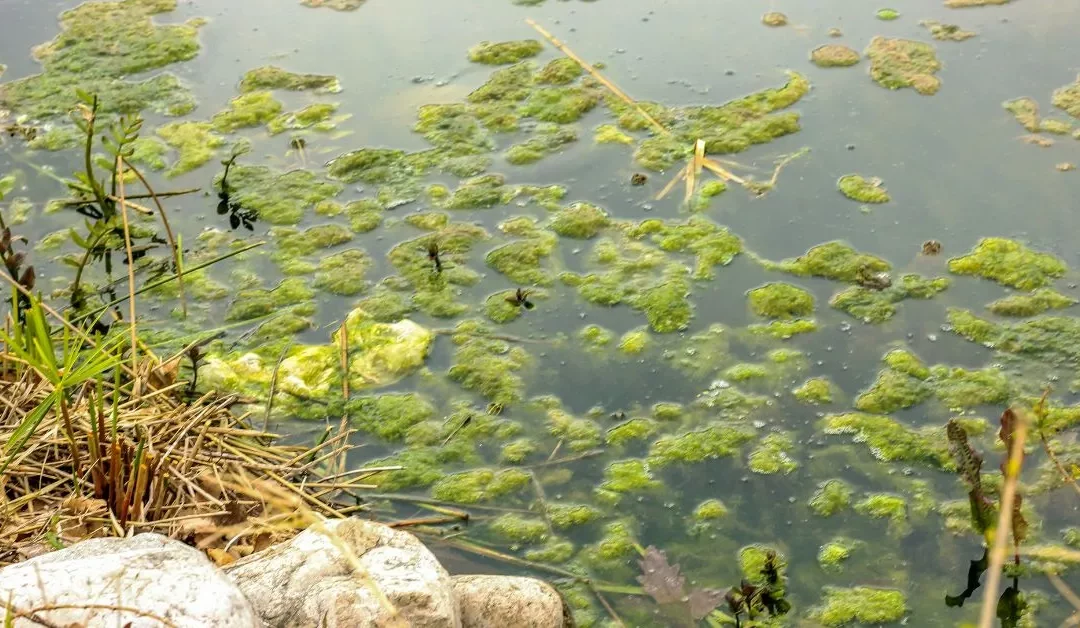
Sludge in Koi Ponds, Biofilters do NOT Remove Solids which Cause Sludge in Ponds. We had a query the other day from the owner of a large pond in Cape Town. The volume was some 50,000 liters and he was sick and tired of the sludge at the bottom of the pond.
The owner contacted us asking what type of filter he would need to remove sludge and keep the bottom of his pond clean. Unfortunately, we could not give him the answer he expected, because honest advice is more important than selling unsuitable equipment. This enquiry once again highlighted a common misunderstanding about pond filtration systems and what they are actually designed to do.
Most pond keepers assume a pond filter’s main purpose is to remove solid waste. This is understandable, as filtration in everyday terms usually means removing solids from a liquid. However, in ponds, this assumption often leads to disappointment and incorrect equipment choices.
Removing Sludge from the Bottom of a Pond
If sludge is present in a fish pond, a sediment removal system is required. A sediment chamber, such as a vortex filter, is designed to pump water into a chamber where heavy particles settle out before the water returns to the pond. This prevents sludge from being circulated back into the pond. Vortex filters are specifically designed for solid waste removal. Contact us for advice on choosing the correct sediment chamber for your pond size and setup.

Pond Filtration Systems: A Biofilter Is Not a Traditional Filter
The term “pond filter” causes ongoing confusion and is often the reason pond owners feel misled after purchasing a filter. A pond filtration system, when correctly described, should be referred to as a biofilter. The primary function of a biofilter is not sludge removal, but water purification.
Fish naturally pollute the water through normal metabolic processes, releasing nitrogen-based compounds such as ammonia and nitrites. These substances are highly toxic. A biofilter houses beneficial bacteria that convert ammonia and nitrites into nitrates, which are far less harmful to fish. Although nitrates can contribute to murky water and blanket weed, they are not immediately dangerous.
Biofilters use media such as plastic media, foam, or materials like Alfagrog, which provide surface area for bacterial colonies to thrive. While a biofilter may trap some suspended solids, it only removes a small fraction of total pond debris.
Solid waste enters ponds from fish waste, excess food, wind-blown debris, and rain runoff. Most of this material settles quickly on the pond floor, forming sediment that eventually becomes sludge. Sludge digesters like Viresco can help reduce organic waste but will not remove inorganic material such as sand and soil.
For small ponds, periodic cleaning may be manageable. For larger ponds, draining is impractical and not recommended, making correct filtration and sediment management essential 
Bottom Drains Work! Every large pond should be built to include a bottom drain… such a system allows water to accumulate at the drain point where it is continuously removed with the recirculating water that is sucked from the bottom drain. Solids are then removed in a settling chamber of some description (a vortex unit is the most efficient).