
How to Spot Sick Koi: Early Signs Every Pond Owner Should Know
Learning how to spot sick koi is one of the most important skills for any koi pond owner. Koi often hide illness until a problem becomes serious, so early detection can mean the difference between quick recovery and major losses. By observing physical changes, behavior, and water conditions, you can identify health issues early and take action before disease spreads throughout your pond.
How to Spot Sick Koi Through Physical Changes
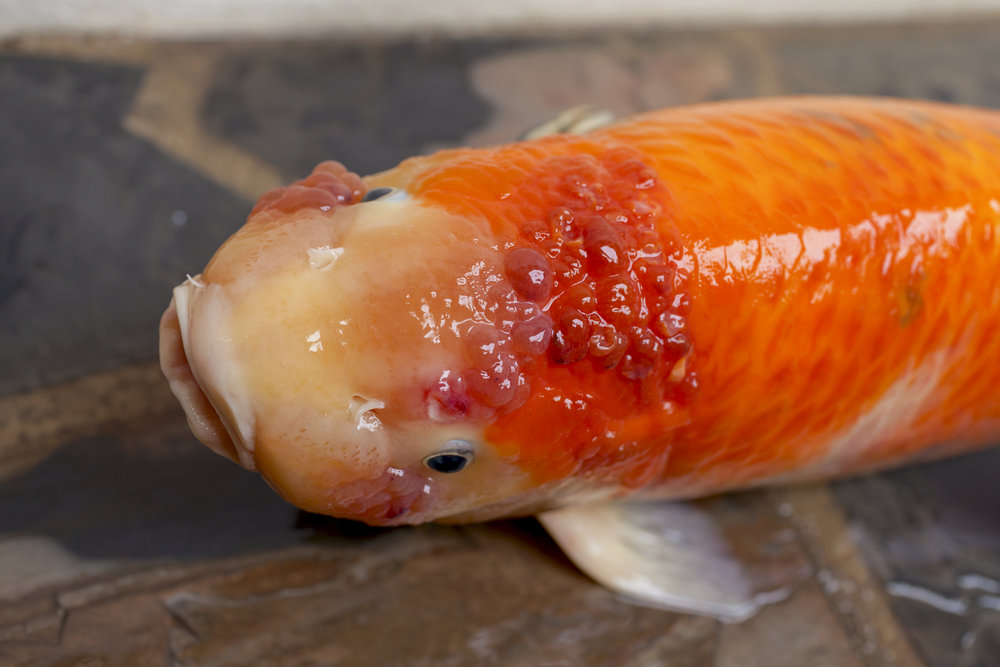
One of the clearest ways to understand how to spot sick koi is by checking their physical appearance. Healthy koi display bright, vibrant colors and smooth, shiny skin. Sick koi often show faded colors, excessive slime coat, white spots, ulcers, red streaks in fins, or cotton-like growths on the body.
Pay close attention to the fins and scales. Clamped fins, torn edges, or raised scales can indicate stress, infection, or parasites. The eyes should appear clear and alert. Cloudy, sunken, or swollen eyes often signal illness. Gills should move evenly and remain red, not pale or inflamed.
Behavioral Signs of Sick Koi
 Behavior provides early warning signs that many pond owners overlook. Sick koi may isolate themselves, rest at the bottom of the pond, or hover near the surface. Gasping at the surface often indicates low oxygen levels or gill irritation. Flashing, where koi rub against pond walls or rocks, commonly points to parasites or poor water quality.
Loss of appetite is another strong indicator. Healthy koi respond eagerly to feeding, while sick koi often ignore food or eat very little. Erratic swimming, sudden darting, or lethargy also suggest discomfort or illness.
Water Quality and Health Checks
Understanding how to spot sick koi also means monitoring water quality. High ammonia, nitrite, or unstable pH levels stress koi and weaken their immune systems. Poor filtration and overcrowding often trigger illness. Regular water testing and filter maintenance help prevent many health problems before they start.
What to Do When You Spot a Sick Koi
Act quickly when you notice symptoms. Test the water immediately, isolate affected fish if possible, and correct environmental issues first. Early intervention protects the entire pond and improves recovery chances.
By knowing how to spot sick koi early, you keep your pond healthy, your fish strong, and your koi thriving long term.