
Breeding Koi: How It Works and Interesting Facts
 Breeding koi is a fascinating process that combines patience, knowledge, and careful selection of fish. Koi enthusiasts around the world breed koi to produce beautiful color patterns, strong genetics, and unique varieties. While koi breeding can happen naturally in ponds, professional breeders carefully control the process to produce the highest-quality fish. Understanding breeding koi helps pond owners appreciate the effort that goes into creating the stunning koi varieties seen in ponds and competitions.
Breeding Koi: How the Process Works
Breeding koi usually takes place during late spring or early summer when water temperatures rise to around 18–22°C. Warmer water signals koi that it is time to reproduce. During this time, female koi release eggs while male koi fertilize them.
A female koi can produce an astonishing number of eggs—sometimes 100,000 to over 1 million eggs in a single spawning. Breeders usually place spawning ropes, brushes, or aquatic plants in the pond so the sticky eggs can attach safely.
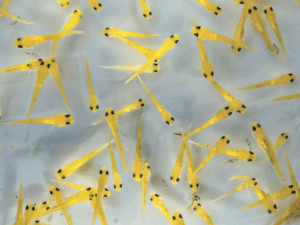
After fertilization, the eggs typically hatch within 3 to 7 days, depending on water temperature. Newly hatched koi fry are extremely small and fragile. At first, they feed on nutrients from their yolk sacs before they begin eating microscopic organisms in the water.
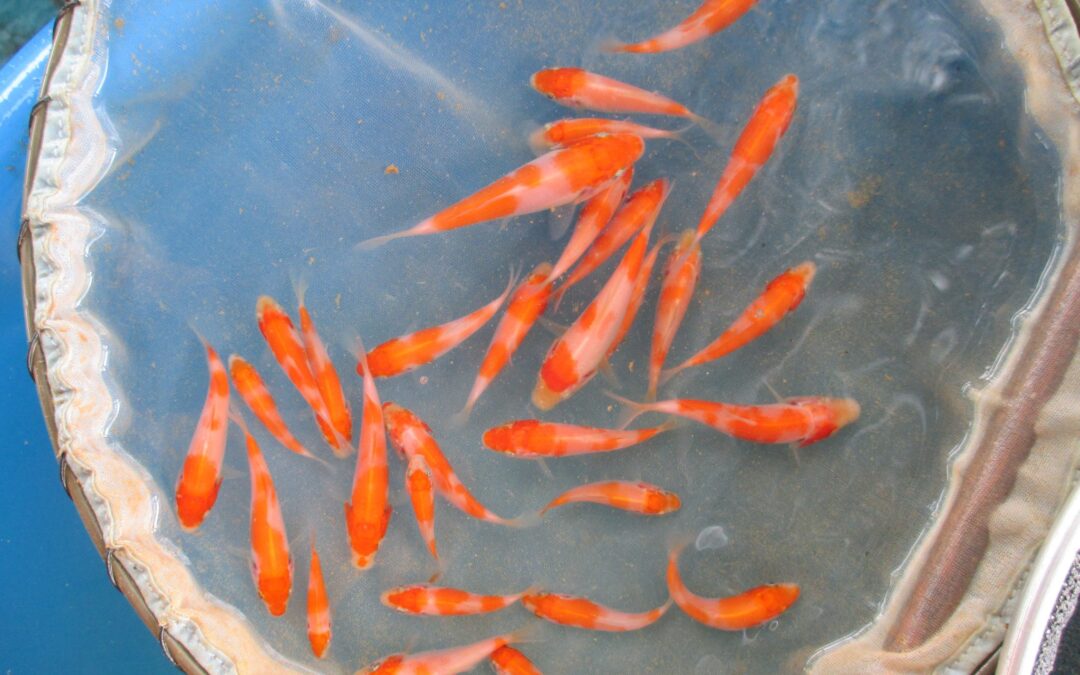
As the young fish grow, breeders carefully monitor them and remove weaker or poorly patterned fish. This process, called “culling,” allows the strongest and most beautiful koi to continue developing.
How Long It Takes to Grow Quality Koi
Breeding koi requires patience because high-quality koi take years to develop. Within the first few months, the fry grow quickly and begin showing early color patterns. However, their final colors and markings may not fully develop until they are two to three years old.
Professional breeders often raise thousands of fry but may only keep a small percentage that meet the desired quality standards. This selective process is one reason why top-quality koi can become very valuable.
What Fish Are Bred Together
Breeders carefully select koi parents to produce specific colors and patterns. They usually pair koi from the same variety to maintain strong genetic traits.
For example, breeders may pair two red-and-white koi to produce similar patterned offspring. They may also breed specific varieties to improve body shape, color intensity, or pattern balance.
The most successful breeders study koi genetics closely and select fish with strong bloodlines. This careful selection increases the chances of producing high-quality koi with beautiful and unique patterns.
Interesting Facts About Koi Breeding
Koi breeding is both an art and a science. Some interesting facts include: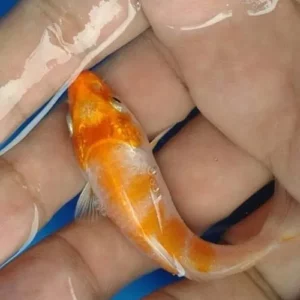
-
One female koi can produce hundreds of thousands of eggs in a single spawning.
-
Only a small percentage of baby koi grow into high-quality specimens.
-
Koi colors and patterns can change dramatically as the fish mature.
-
Professional breeders often spend years perfecting specific bloodlines.
Breeding koi requires dedication, patience, and a deep understanding of koi genetics. For many enthusiasts, watching young koi develop into beautiful adult fish makes the entire process incredibly rewarding.